Saturday, 12 December 2015

Critical Analysis of My Film

Our film is a story about a homeless man named Vit who enjoys being homeless, nevertheless being homeless for him has its good and bad points. He likes the freedom he gets from the outdoors but it feel as if society either judges him or is plain rude. We based this story on a homeless we met and interviewed in Lester Square, who told us a huge life story. We picked out this particular aspect of what he told us as we thought it would be easier to portray on screen. One issue with the film we made I think is that we had so many different versions and scripts that we gradually skimmed down which meant that certain particular plot aspects that feature in the film don't add up or make as much sense as they did in previous versions. The most obvious example of this is the fact that Vit doesn't like small spaces and get nervous about being inside. In one adaptation of the story we made we depicted him as a human slave that was mistreated and locked up in a house. We decided to cut this out as it was to much for a 5 minute film. When it appears in this version our idea was that the pictures Sofia looks through in his sketch book would portray this clearly. But it doesn't work as well as we had hoped. This is partly down to the way that I filmed it, I should have got even closer to the pages so that it filled the whole screen. It is also down to the way it was edited, I think it could have worked better if there was some kind of sound affect or score which added to the unnerving idea.

What I am pleased with in the film is the way that we see how Vit has a daily routine, I was happy with how this comes across in the film. There is a definite theme of time that is clearly depicted that works well. The cutaways to the flowers and various nature environments, compared to the gray concrete city where the people congregate treat him badly. We made sure that he wore gray clothing so he would merge into this background so it would seem as if people wouldn't notice him. The feeling that he is marginalized also works effectively, I think we did this particularly well when the coffee cup is thrown on him. I made sure when I was filming we got that scene from lots of different angles. The hand held shot works the best in that sequence as you get the fast paced motion which makes the audience identify with the protagonist further.

In conclusion, I am happy with the film we have made. We portray the most obvious themes that we considered in the script well and we make the audience connect with the protagonists lifestyle through the locations and sense of time we created. Nevertheless if I were to do it again would have done a few aspects of the film more professionally and created more of a subtext through the characters dialog.

Editing Process Reflection

As I am the cinematographer I didn't have to be as involved as much with this part of the production as I have with the other stages, but I made sure I was. I took it upon myself to do the first "Ruff Cut" which took a couple of days to do. My thought behind it was making sure that I could get the film how it would be without the time restrictions that were put in place. As the sound recordist did the audio separately instead of into the camera I had to match up the files to the correct video clips.


This took up most of the time during the editing process as there was very little indication on which was the correct sound for the correct clip. The way I had to do it was by listening the very poor quality initial audio and look out for the little variations in the way the dialogue was spoken.


Once I had done this, I then worked on making sure it flowed correctly so the editor could work on adding the finish. He also gave me the stabilized footage to put in place of the shots that were slightly to shaky. One crucial thing is that I didn't get to see the edit before the final version was produced, as I noticed in the final cut a few shots weren't framed very well in the crop especially during the pub scene. One particular shot can be seen below, the protagonists head is slightly cut off, if I were to do this again I would make sure these little visual aspects were taken care of before the final cut was completed.


Career Aspirations

Naturally one of the points of going to University is to make sure that you have more chance of getting a better job in the field you want to go into. Personally I want to one day make my own films, but everyone who is on a film production course wants to be able to do this. My idea of how I will achieve this, I will admit, I haven't thought to much about. But my current plan is to work in a production role in advertising as I have heard that they tend to pay well, and keep a certain amount of money aside which would mean is could self produce my own films. Due to technological convergence and software proliferation this is becoming more common in the industry and is quite a viable way of getting your films out there. If my films are successful then I will go into making films full time. I understand this probably sounds quite implausible but I will try and make this work. The other thing I am interested in doing is creating my own television platform online. An independent Netflix specializing in making the audience the commissioners, so that lesser known talented people can have a chance to expose their work. For example comedians who have a good idea for a show that couldn't get it on the BBC because they're not very well known. This could be funded in two ways by people who want to pay a subscription/through donations or through advertising like how 4OD and other demand services do.


Filming Process Reflection

Day 1. On the first day of filming we needed to achieve a nighttime shoot, we wanted to film the last scene of the film on this day because it needed to be dark in the setting. The issues surrounding this were that it was a very windy and rainy day which meant it was harder to film. Added to this sound quality wasn't as good. The way we worked around this however was by using our time wisely. When there was a spot when the weather calmed down we were very efficient in getting what we needed in a small space of time. The lighting was also a problem but we planned ahead for this and made sure that we had more than enough lights to make the subject visible. But when you have to much artificial light in a location it can result in over exposure and it also doesn't look very good so we made sure that we found a spot where there was some light already and the light we added was just background. The set up of our shot can be scene in the picture below...

Day 2. On the second day we had to film an interior scene, this was in a public restaurant so for this we had to make sure the people in the background were managed correctly and knew they could be in the shot. So during the set up we put up signs notifying costumers that they could be on film so it would be great if they could bare this in mind for the filming process. Recording sound was easier for this shoot but it resulted in a lot of background noise, but lucky the actors voices are clear enough to be heard. If we were to shot this again I'd have preferred to do it when the pub is closed so we didn't have this extra element to work with.


Day 3. The final day of shooting was tough, we had to get up at 4 AM to film in the South Bank in the early morning on a Sunday to make sure we wouldn't disturb people who were in the location. When we got there the lighting was still a bit dark so we waited for an hour or so and the lighting was perfect. There was also no one around so it was easy to film. As the cinematographer shooting in that location was a particular high light as it is a favorite spot of mine because it manages to blend the bleakness of the landscape with interesting architecture. When I have connection with the location we are working on I feel it is much easier to create more interesting and dynamic shots. Some of my favorite shots from that day are shown below...


Day 3 Continued: Later on in day three, we wanted to shoot and evening scene, for this the sun had to be setting so we could demonstrate how the protagonist is at one with his landscape and enjoys living on the streets. But we were faced with a major issue, as it is the winter it the sun sets earlier in the day than we anticipated. Added to this some members of the group we held up by traffic which meant by the time we actually got to shoot it looked light night on film. This changed our idea of what the scene would be like as we couldn't do any wide shots because the landscape was not visible on film. This has affected the whole film as a lot of our shots are quite closed in which creates a quite confined look to the shots. If we were to shoot this again I think this would be totally changed and it would make the overriding theme of the film more visible.


Wednesday, 2 December 2015

Camera Formats

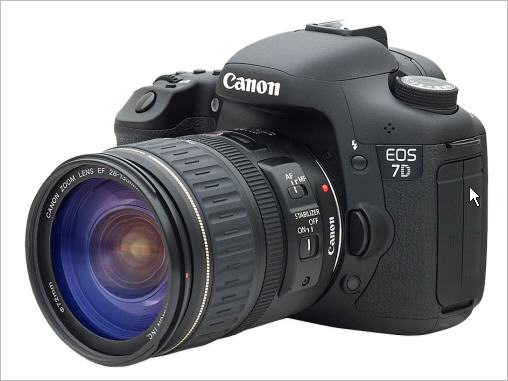
For our production we plan to film our project on the Canon EOS 7D. As it is a DSLR it has more of an aptitude for Depth of Field and Focus Pulling, nevertheless this doesn't fit every style of film and it has become rather overused in films of late but I plan to monitor its use so it doesn't distract from the film itself. The other key thing about the use of Depth of Field is that it also fits the genre and style of our film as we wanted to take influence from such films as This Is England and London To Brighton which also use this technique of story telling.


We have some scenes within our film that will be shot at night and this camera needs a lot of light to achieve visible shots. One way of doing this would be increasing the ISO or Exposure Levels but this could lead to grainy shots which would mean loosing quality. So to combat this I will make sure that we take plenty of lights which can make the setting look light night within the frame but no visual quality is lost. 


Cannon 7D Specs, Source: https://www.youtube.com/watch?v=7g9EMqiTxy0


Source: https://www.youtube.com/watch?v=BTQ0gG-GtJw

Comparing the Cannon to a Black Magic camera, shows that the Cannon is a lot bigger and yet has virtually the same quality as the Black Magic which is much smaller and easier to transport. In regards the size and transportation of the camera I would rather choose the Black Magic as it is easier to get shots from more constricted places, making your film more dynamic. Nevertheless this can result in a lot of shaky  footage, where as the extra weight from the Cannon can balance the operator out, which is the experience I have had during filming. The Cannon also has a wider lens which means we have the opportunity to make the film more cinematic.

Wednesday, 18 November 2015

Southbank - A Location I Enjoy Spending Time In

The Southbank in London, is an area I love spending time in for many reasons the architecture, the atmosphere and the colours absorb me. When I ever I am there I constantly look around me and the sloping jagged nature of the buildings make me feel as if I am in a post apocalyptic landscape or in a retro future world. Round every corner there is a staircase that leads you to a different view point in which you can take in the misshapen setting. The sounds generally consist of street performers and a mixture of live music and people talking offset with the rumble of the tube which brings you back to earth and reminds you that you are in a the center of one of the busiest cities in the world. 


Saturday, 7 November 2015

Short Film 3 Script

Below is the script for the third short film project, for this task we had to focus on the use of dialogue, as a narrative device rather than just making the characters say the most obvious text and focus more on the subtext. This is because in reality people rarely ever say what they mean, this is what I tried to do when I was writing this, as an extra note the play write Harold Pinter was a huge influence on my writing as he uses subtext and natural dialogue very well in his stories.

Thursday, 5 November 2015

Short Film Project Two - The Trip

A short film opening based around a young drug taker who keeps getting flashbacks of his dead friend that overdosed on cocaine. This scene depicts his decent into madness until he finally wakes up in his present situation.

Short Film Project One - Work Hard Playground

A business worker is under pressure from his boss to complete his constant stream of work, with no time for himself. What will he be driven to to break free of this strain?

Tuesday, 27 October 2015

Screen Play

Below is the current screen play for the production of the film, this is the copy we will give to the actors, when I was writing it I made sure it was full of more novel type description so the actors have more to work from, further creating a better performance from the on screen subjects.

Wednesday, 21 October 2015

Location Scout

Camden

The main character Vit is forced into a human trafficking ring we will use this location for the exterior of the house he is taken to. It is currently up for sale so we can cut the clips together to look like they are entering the house, then film the interior in a different location. We will film from the side as they enter the house to make as it look as if their going in.


Sheppard's Bush 

This is the more pleasant setting will be used when the character escapes the house and heads for the city. It tells the audience that the narrative will be calmer it is useful as it looks like both a rural and industrial location. I plan to also film at the golden hour which would make the tones in the image much stronger, the water will also look golden also which will add to the sense that he is now free and the world around him is far more full of happiness.


Southbank

For our latest film production I thought of using this location for the section of the film when the main character is lost in London. As the buildings are relatively modern they look aesthetically pleasing in the shots, this is done through such compositional techniques as symmetry, the rule of thirds and flat face on angles. 


Tuesday, 20 October 2015

Production Role Evaluation

As cinematographer, I will have to plan what will be on screen and in frame and decide what shooting formats and camera lenses to use. In doing this I will have to use my own creativity as well as working with the Director and fulfilling their ideas.

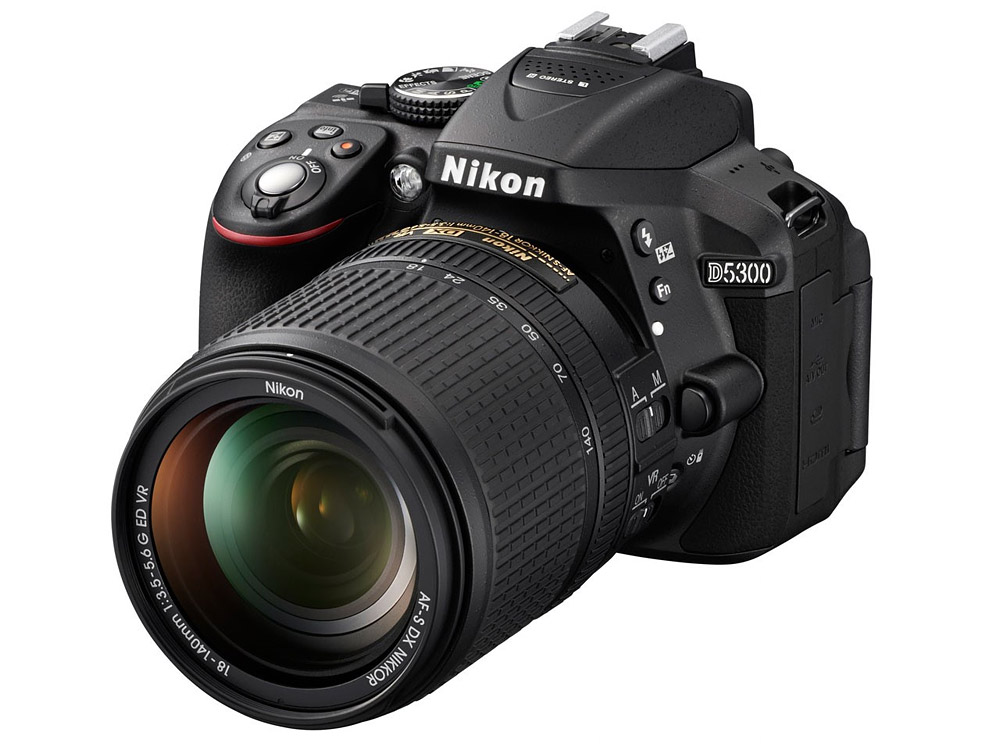
Camera: Nikon D5300
We will be using a mixture of a 18-55mm and a Prime Lens, the 18-55mm lens has a short zoom range but most of the shots in this film won't be from long distance. Added to this it has a fairly large depth of field length which enables for more focus pulling within the drama to divert the audiences gaze. The Prime lens has no zoom function but it is better for crisper images, which means we can get different perspectives moreover it can get wider shots which will be good for such elements as establishing shots.

Lighting:
We will mostly be using natural lighting but
for the interior scenes we will use portable LED Lights
that can be attached to the camera which can recreate
natural light for a more noir lit sequence. We will also shoot one scene at night for that the location has street lighting but we will also be using the LED Lights for a lighting boost
if the shot is to dark.

Camera Specifications - Exterior Long Shot:
Resolution: 1080p
ISO: 100
Focal Length: 27mm
Max Aperture: 4

Interior Shots:
Resolution: 1080p
ISO: 800
Focal Length: 12mm
Max Aperture: 5.3


Saturday, 17 October 2015

Influence From Other Cinematographers

I have taken influence from my style of cinematography from various places, but in this blog post I will explore individual cinematographers that I am inspired by and particular ways I will adapt their styles so they are unique to me so I can input their use in my final picture

1. Ole Bratt Birkeland

The main cinematographer I am inspired by is Ole Bratt Birkeland, he has worked on the television programmes that have got me into wanting to work film the most over the past few years, these shows include Utopia (2013), Dirk Gently (2012) and The Missing (2015). The way he films using the natural landscape but creating symmetry and colour is incredible, this creates the sense that it is set in our world but it is completely unique to the show. As seen in the shots from Utopia colour is a very strong feature of the cinematography is the use of colored lighting determines the mood of the scene in a visual scenes rather than explaining everything in the script. This subtle form of story telling is something that I really enjoy and will employ in my film making in the future.

Utopia                                                                                                       Dirk Gently


2. John Alcott


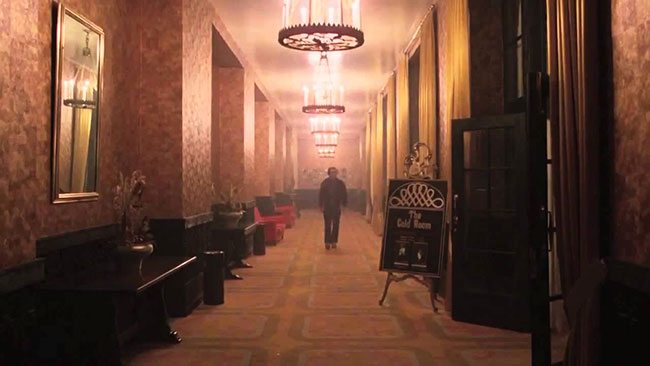
His fame stems from his collaboration with Stanley Kubrick on such films as Clockwork Orange (1971) and The Shining (1980) amongst others, the complete symmetry and well thought out planning of each shot can is what makes their films stand out. In these films we are presented with a world that looks like ours but there is always one major difference. This is created by the ridged composition that is used, as in the real world things aren't always symmetrical and feature patterns that work from the width of our vision. Camera movements is another element that I am particularly inspired by, such as the use of Steadicam. This camera technique creates the sense that we are in the environment  as well as making it clear that the characters are being watched by some kind of force. This is used to great affect in The Shining, which works its way back into the narrative as the characters are being tormented by spirits.


3. Danny Cohen


Danny Cohen was worked as the Director of Photography on many films such as The Kings Speech, Les Miserables 2012 and The Boat That Rocked 2009 but the film(s) I want to refer to in terms of his use of cinematography is This Is England 2006-2015. In the first film the footage was clearly shot on film by doing this it meant that the tone of the shots look like they filmed when the story was set, in 1984. By doing this the quality of the mise en scene seams much more characteristically to that period. The other technique that particularly stands out from his work is the use of depth of field, this is created by the use of a short focal length lens which blurs out the characters background and makes the audience pay attention the subjects in the foreground. As the action in This Is England is highly engaging both these elements work hand in hand.


....................................................................................................................................


Notable Mentions:

John Mathieson, The Man From Uncle 2015


Rob Hardy, Ex_ Machina 2015


Robert Yeoman, The Grand Budapest Hotel 2014


Robert Richardson, Django Unchained 2012


Sunday, 11 October 2015

Assignment: Homeless Film - "Vit" Individual Scene Synopsis

Below is a short scene synopsis of our production groups film, from this we will then expand this into a full script. From doing this it has helped the group understand what plot we have agreed on, as well as helping us write the final script in which we will base a film on.

Saturday, 10 October 2015

Research Documentary

As part of our research into our film subject, we had to find someone to interview which we could then base our plot from. We needed to find a homeless person who lived in London, after some searching we found a man called Vit in Lester Square, he was happy to talk to us and tell us about his life. We then made a documentary style video on this, unfortunately the sound didn't turn out to well but some parts are audible and quite interesting.

Museum Visit

The National Portrait Gallery features some of the most famous pieces of artwork ever made, which is why I decided to explore this museum to see if it would inspire me to improve my cinematography skills. I am currently in production for the first Assignment for Digital Film Production as part of my BA in Film Production. For this we have to make a human interest drama that can't be based around internal disabilities or issues. Everyone in my production group have noticed the homelessness issue more since we have moved to London, and we were interested as to what lead these people to become homeless and what stories they had to tell. Now the reason I am linking these to things together is because aspects of the paintings by Rembrandt and Turner could attributed effectively to shots within our final production.


This first picture by Rembrandt is a self portrait at the age of 63 and was painted in 1669, the thing that stands out most to me about this picture is the lighting. The way that there is a slight vignette around the subjects head shifts our focus to his face is very effective. I also noticed that there was more detail applied to the face than the rest of the image as it begins to fade away as you reach his hands. If this was a photograph this would be done with depth of field which is relatively easy to achieve, but doing this with a paint and a brush is somewhat more outstanding. If this were a shot in a film I can imagine holding this shot for a long period of time and slowly tacking in closer to the subjects face. This would create more meaning to the character and establish more about them, as if there is a deeper meaning, that will be revealed by seeing what expression the subject has.


The next picture is by William Turner and is entitled "Rain Steam and Speed - The Great Western Railway" which was made in 1844. As soon as I saw this I instantly tried to imagine what that painting would look like if it was done in the present day. For example it could be a tube train going over London one sunny morning. By doing this I could see this being an establishing shot in our production. It has been painted in a very loose way which means that you can see the brush strokes as smog or wind and the golden colours make the presentation of the Great Western railway as glorious which could well have been the view at the time as it was a recent piece of modern technology. This would contrast with the picture in a modern setting as we are totally used to seeing trains as part of out daily life. It could be used as an interesting graphic match to show the passing of time like the bone and the space ship at the begging of Stanley Kubrick's "2001 Space Odyssey". 


From doing this I have explored how I can get different influences for my cinematography skills, rather than just taking elements from preexisting films and television. This is benifical as older mediums of expression generally contain stronger examples of composition and framing that can teach me good practice when constructing a shot. It has told me that you can be just as expressive with film as you can with paintings.